
March 27, 2025 Let’s Get Together and Revive Circuits: Desktop Repair and Refurbishing Workshop
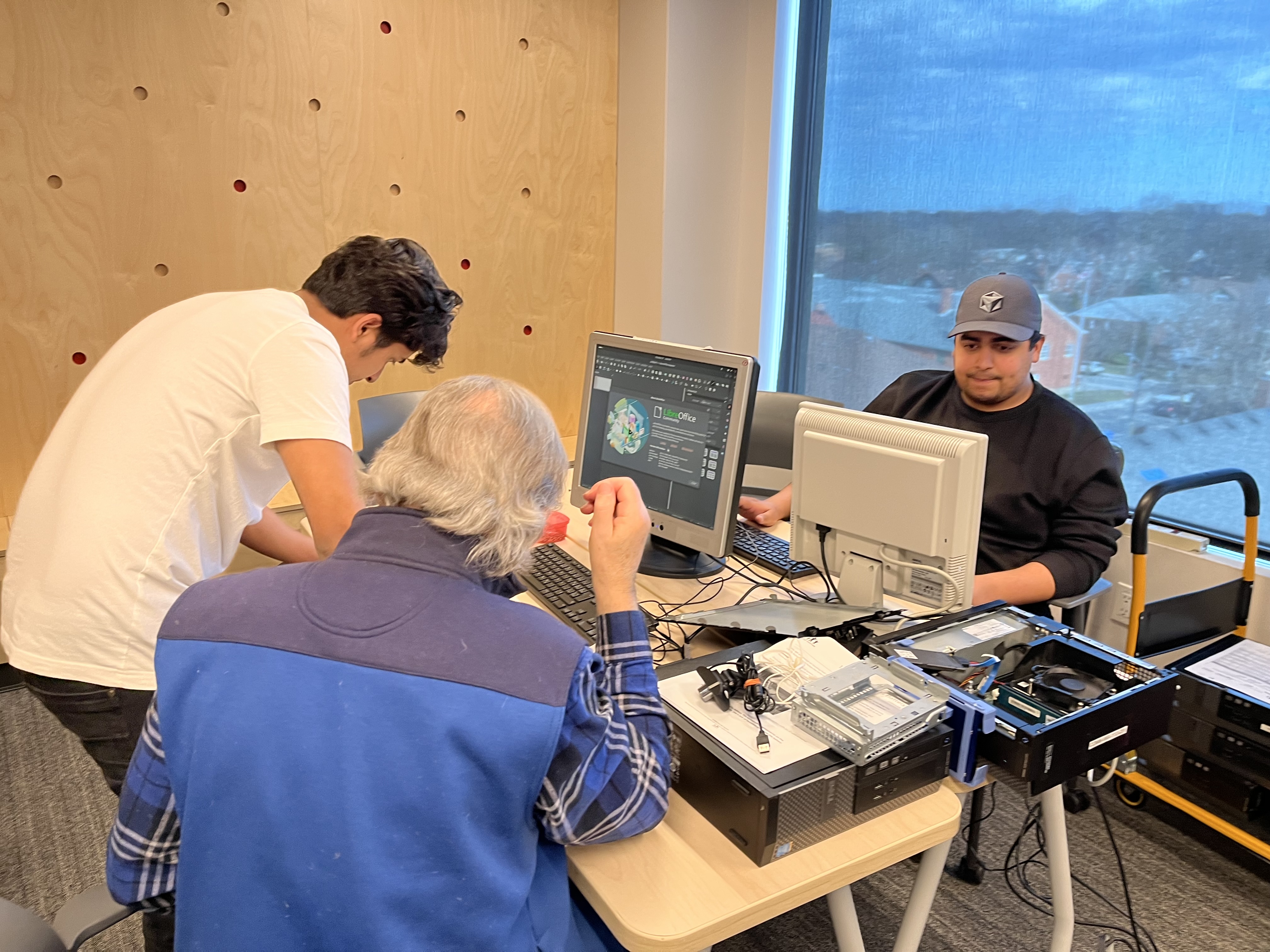
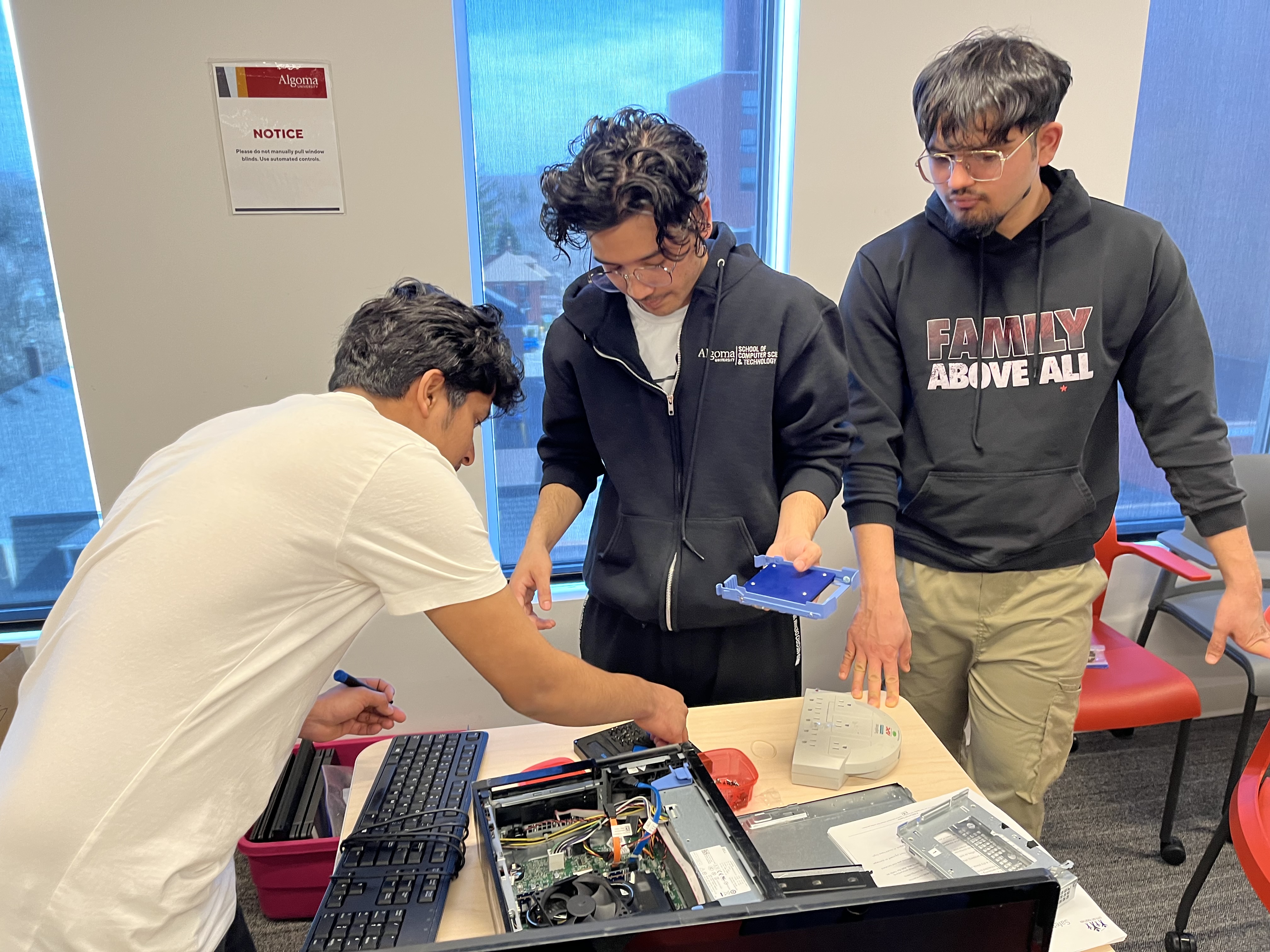
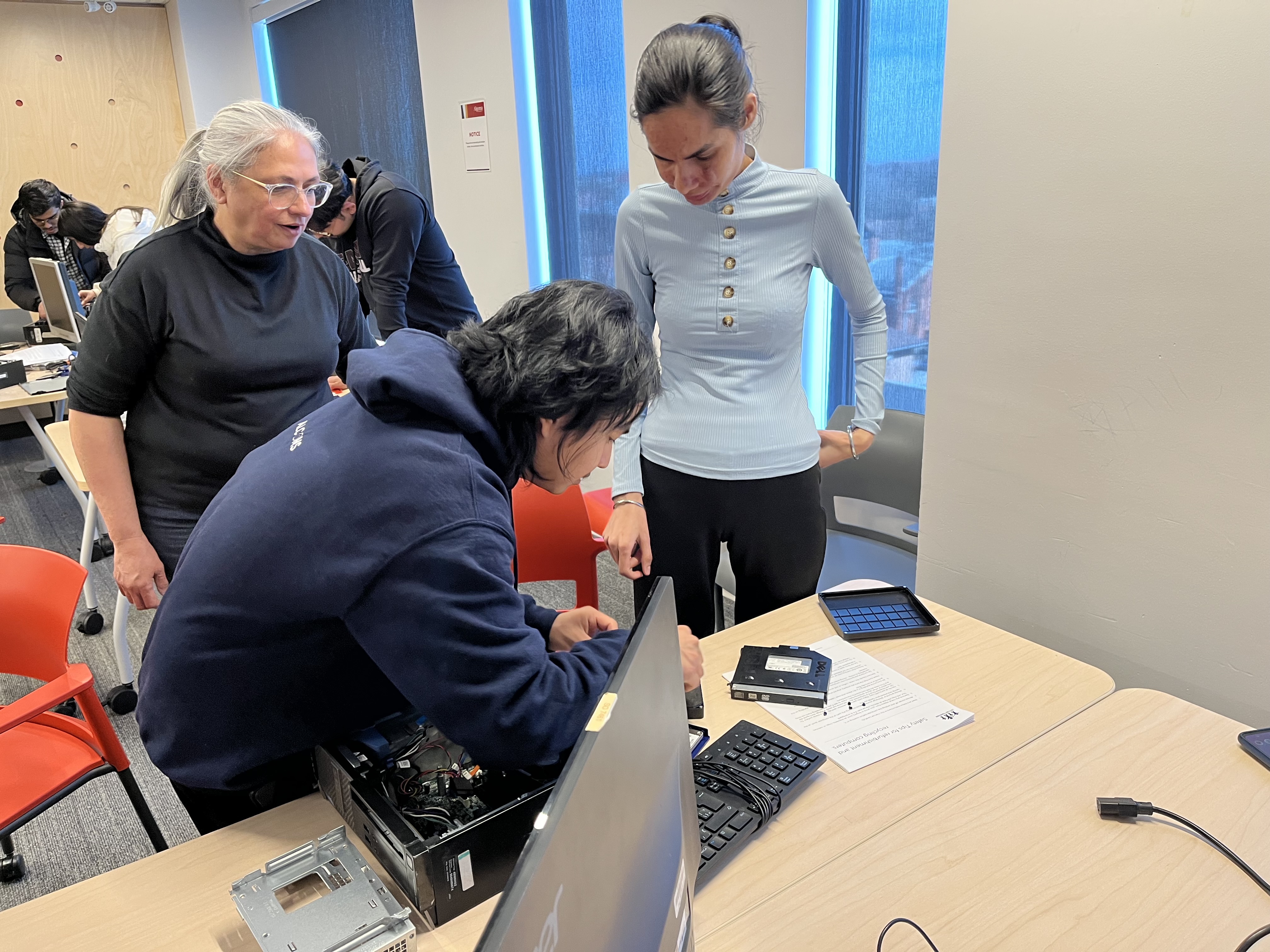
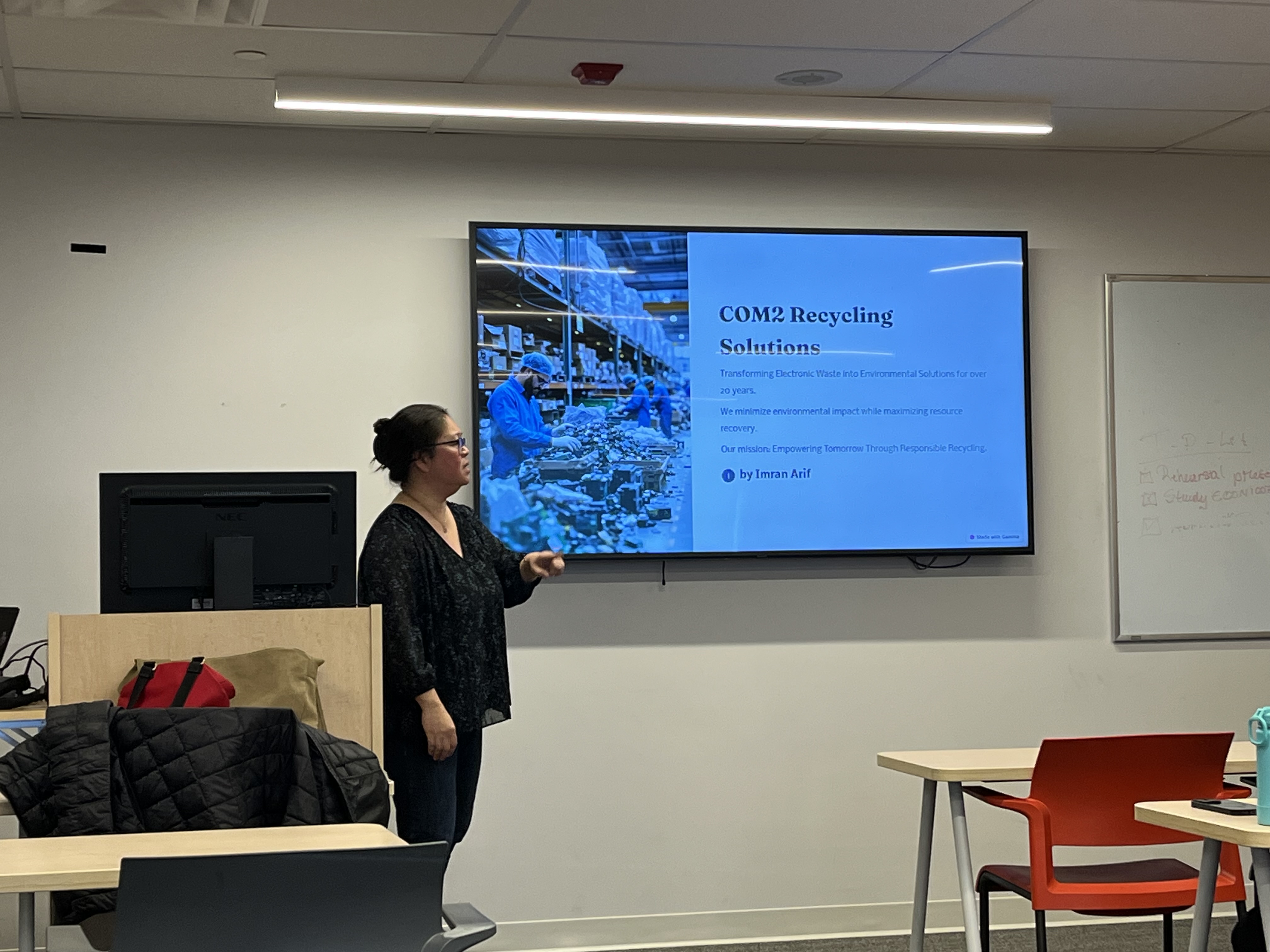
On March 27, 2025, Circuit Revival hosted the Let’s Get Together and Revive Circuits workshop at Algoma University, led by Alison Canning and Amy Kanal from Let’s Get Together Canada. This event aimed to equip students with practical skills in computer hardware assessment, refurbishment, and recycling to address digital inequities while promoting sustainability. Participants explored the concept of bridging the digital divide through hands-on activities that emphasized accessibility and environmental responsibility. Alison and Amy guided students in identifying reusable components, refurbishing laptops for redistribution, and responsibly recycling non-functional parts to minimize e-waste. These efforts aligned with Let’s Get Together Canada’s mission to make learning equitable and accessible while fostering a circular economy for technology.
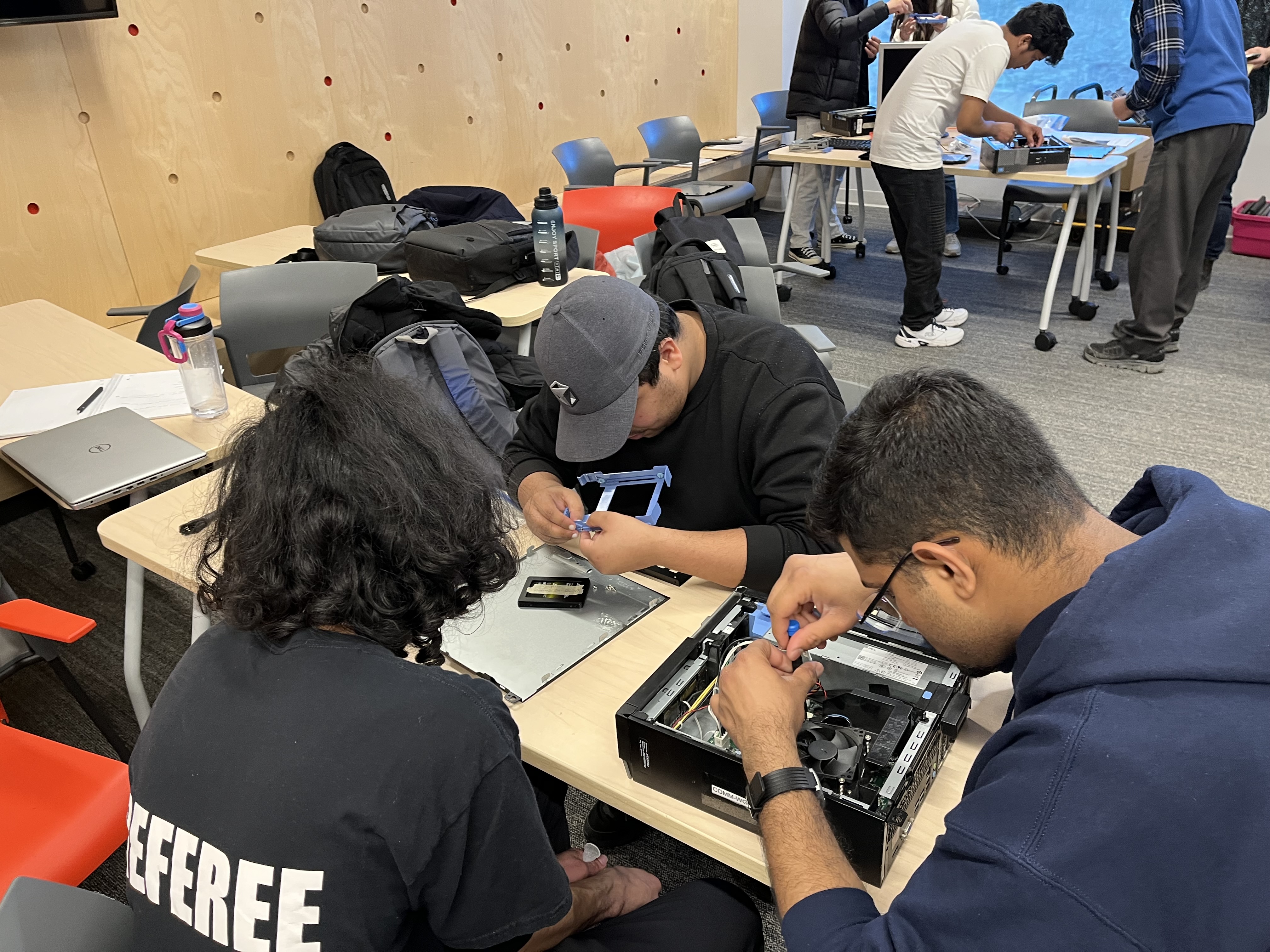
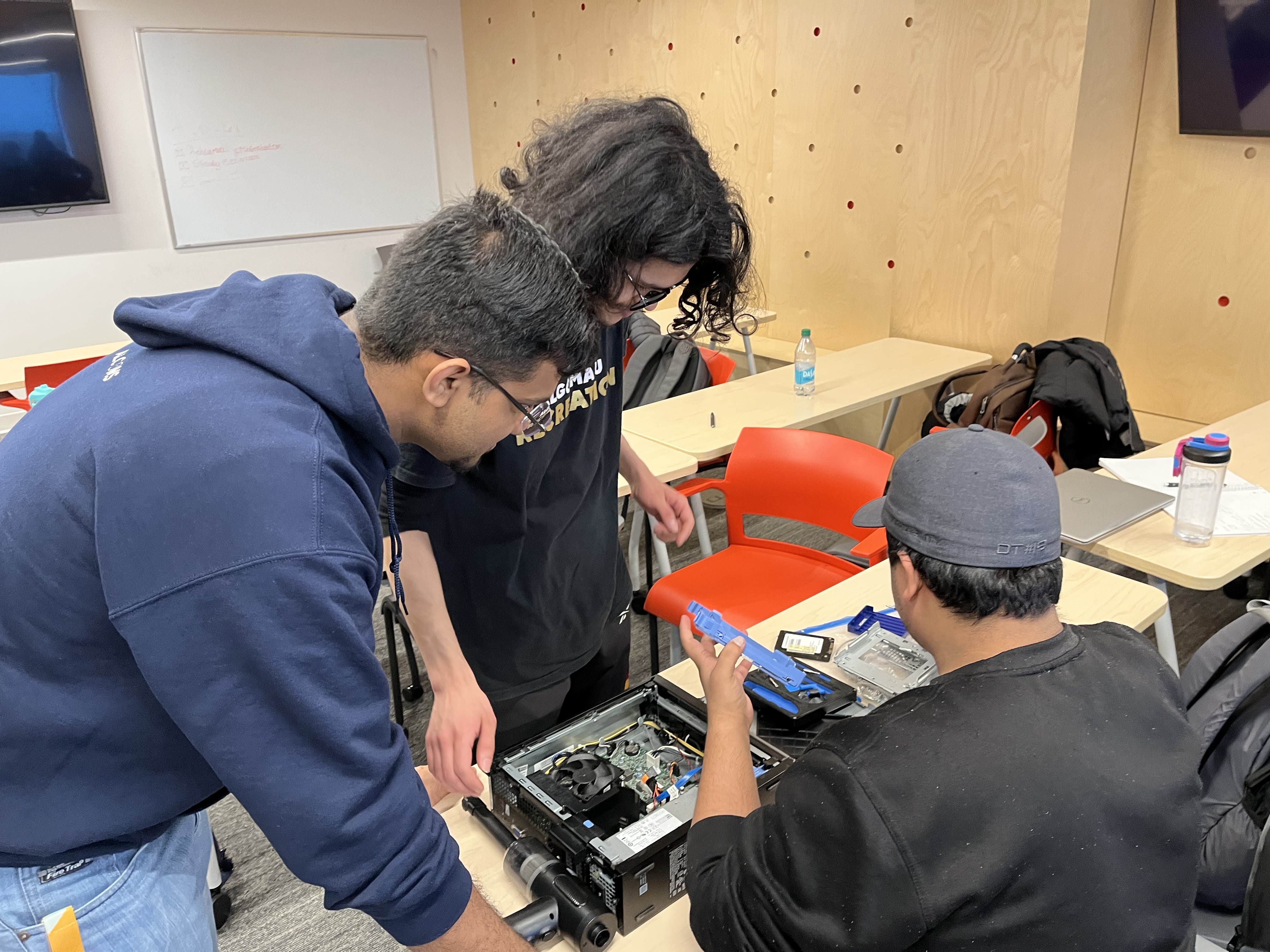
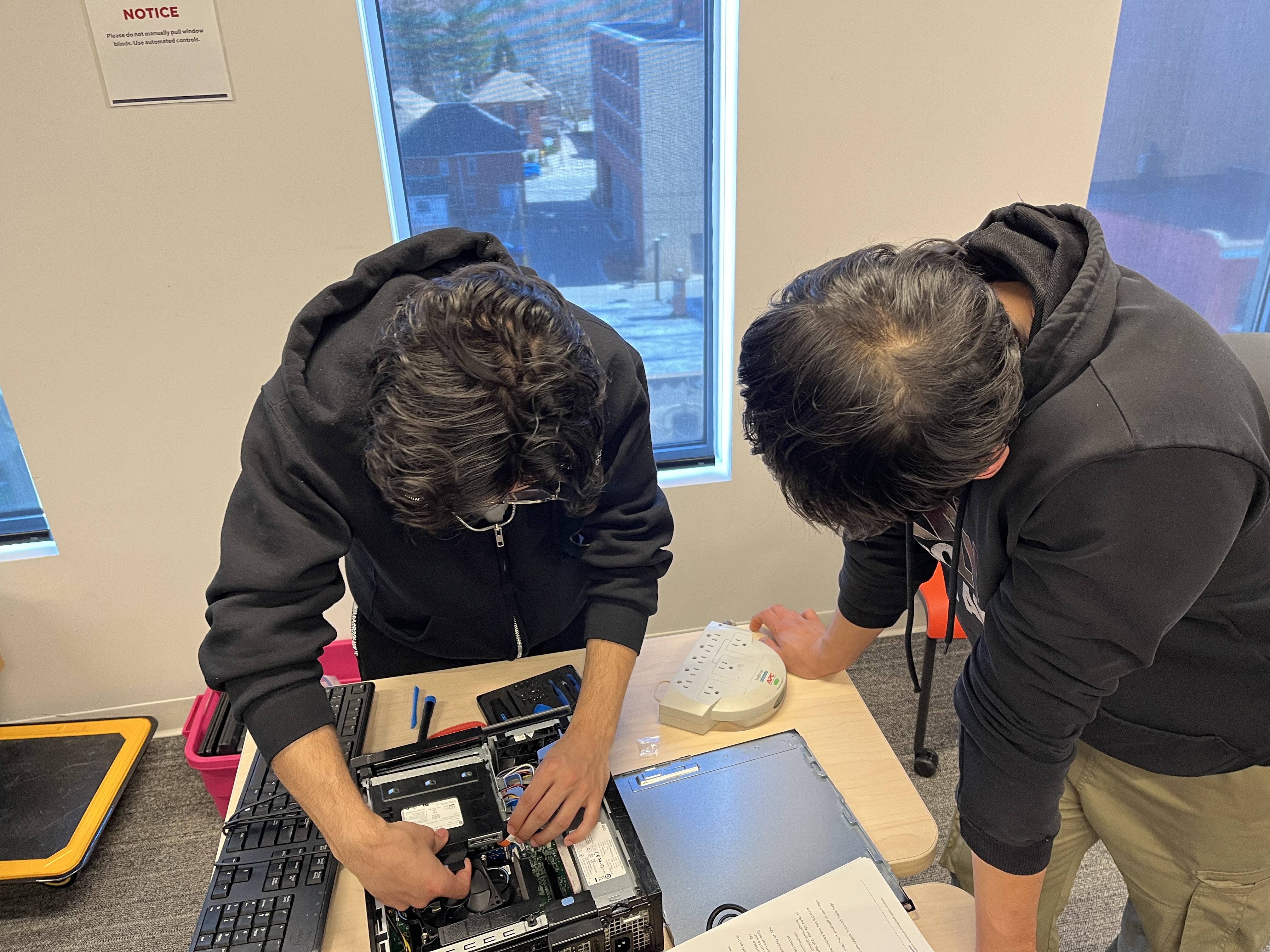
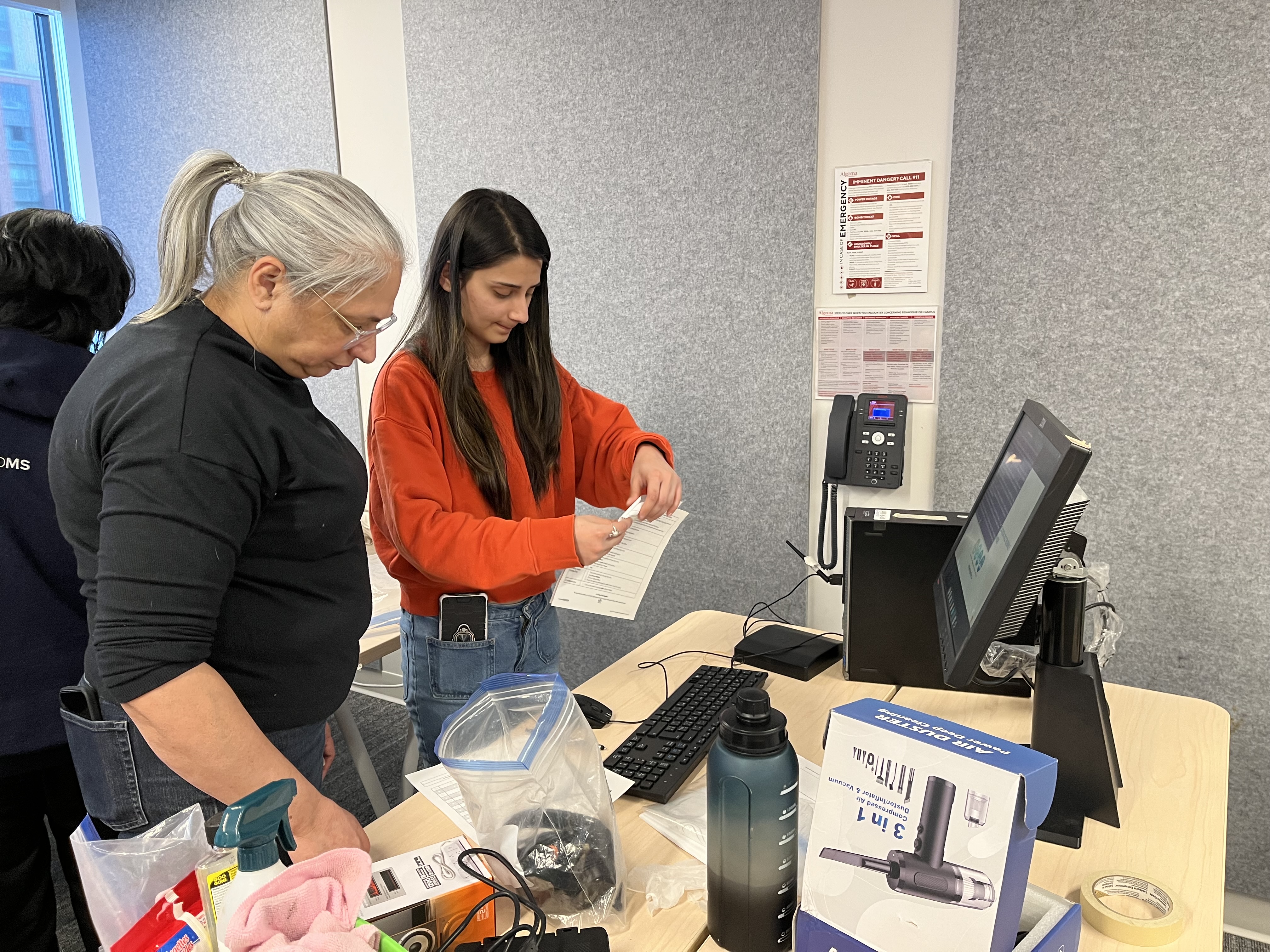
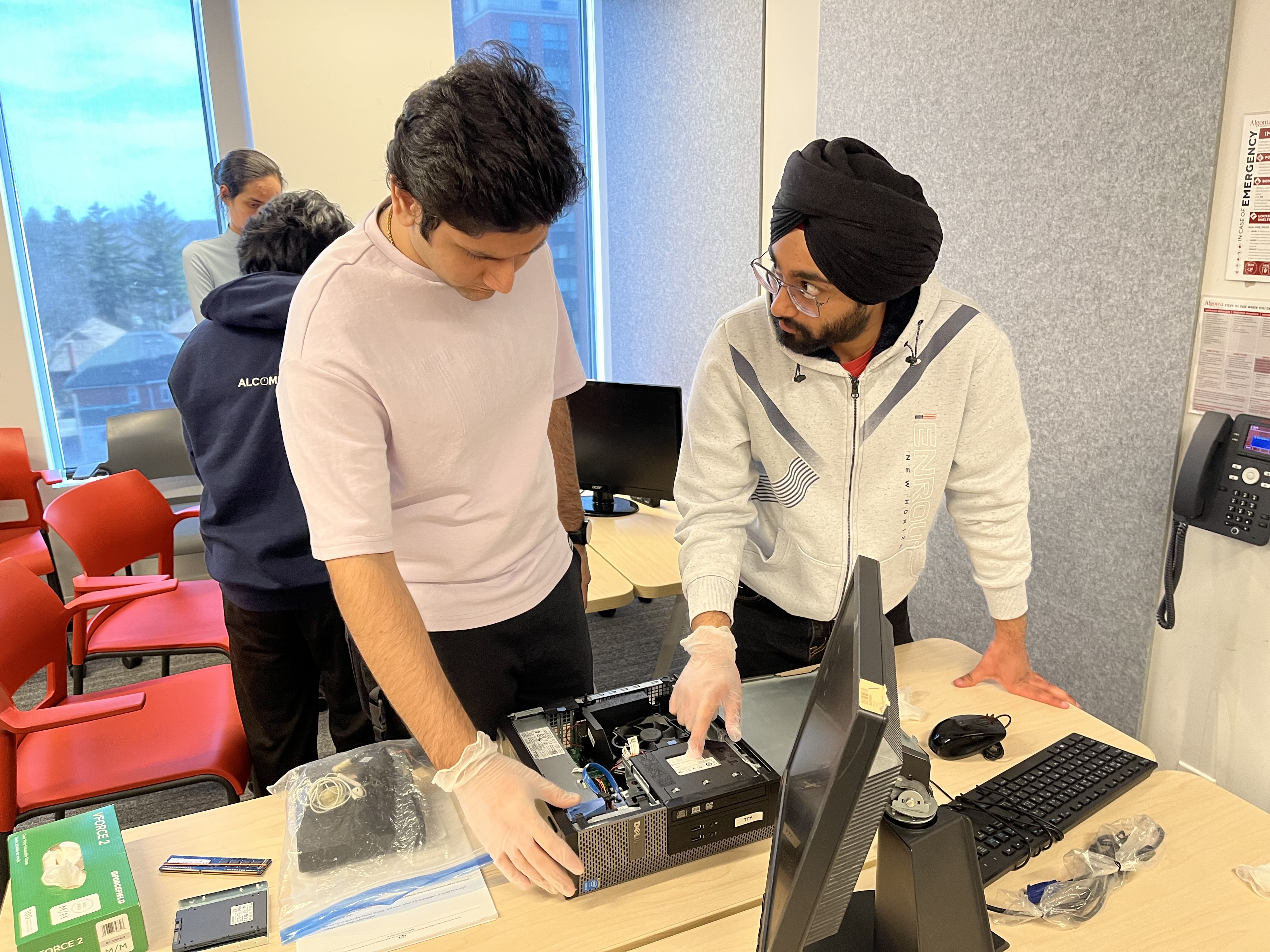
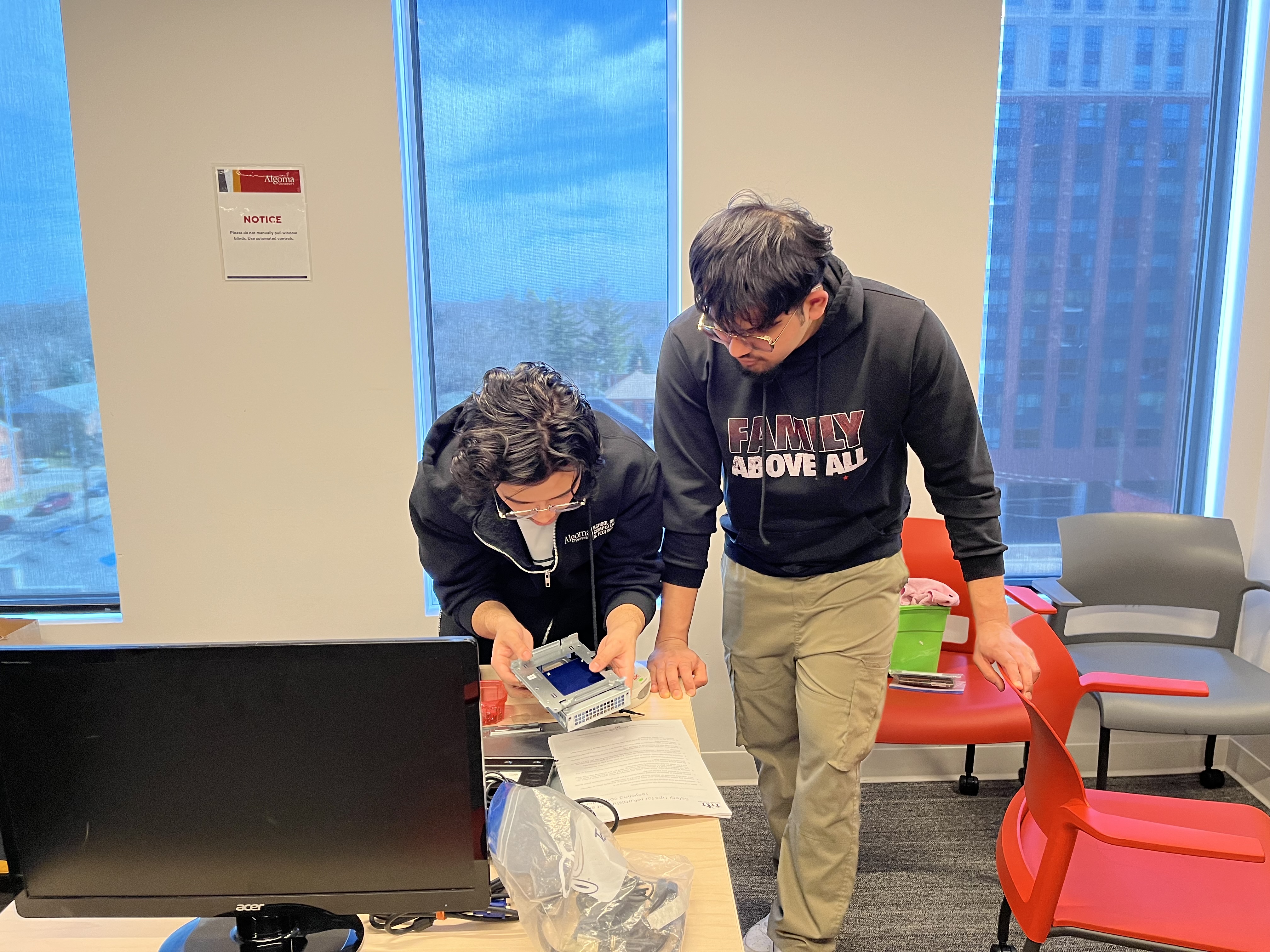
The workshop was structured into three modules: Computer Anatomy, Recycling and Refurbishing, and Checklist for Completed Work. In the Computer Anatomy module, participants learned about computer parts and their functions, gaining essential knowledge for repair work. The Recycling and Refurbishing module focused on ensuring privacy by removing old storage drives, upgrading laptops to include a minimum of 8GB of RAM, and replacing faulty components to restore functionality. The Checklist for Completed Work module helped participants systematically review their repairs to ensure quality. Additionally, safety protocols were thoroughly reviewed before the hands-on activities began. Participants were trained on using tools and equipment safely, provided with personal protective equipment (PPE), and instructed on maintaining clean workspaces. WHMIS guidelines were discussed to ensure safe handling of materials, emergency exits and first aid areas were outlined, and a safety monitor was assigned to oversee operations. These measures ensured that participants could confidently engage in repair activities while prioritizing safety.
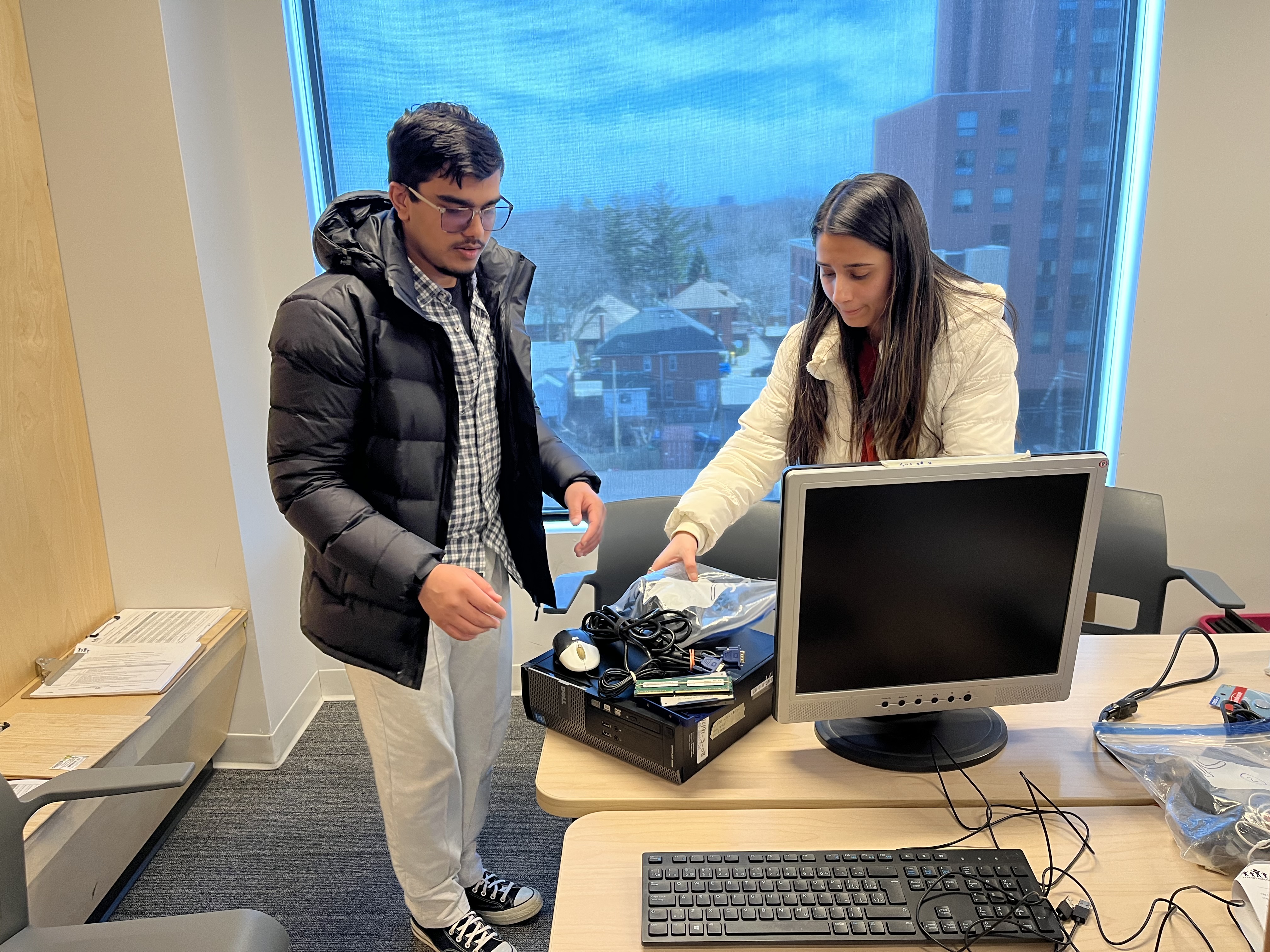
The workshop also delved into the topic of e-waste, highlighting its environmental impact and solutions. Participants learned that e-waste contributes significantly to global greenhouse gas emissions due to hazardous waste production and the consumption of rare minerals during manufacturing. The event emphasized how refurbishing extends device lifetimes, reducing the need for new production and minimizing e-waste. Students explored what happens when e-waste is recycled—valuable materials are recovered for reuse—and discussed strategies for raising awareness about sustainable practices. Using tools like computer testing kits, cleaning kits, an e-waste bin, desktops for testing, and Let’s Get Together Canada’s portable supplies kit, participants conducted assessments such as identifying processors and determining hard drive health.
By engaging in these activities, students not only gained technical expertise but also contributed directly to bridging the digital divide by preparing refurbished devices for redistribution to underserved communities. This initiative underscored how collective action can promote both tech equity and environmental sustainability while empowering individuals with practical skills for meaningful change.


 CIRCUIT REVIVAL